Picture this: your alarm goes off at six in the morning after you spent hours wrestling with homework and staring at screens late into the night. You stumble out of bed, feeling like you are moving through wet concrete, and grab an energy drink just to make it through first period. Most of us treat exhaustion as a normal badge of honor in high school. But what if running on empty is actually changing how your brain functions, how your immune system fights off illness, and how you experience every single day? Take a look at the calculator below to find out exactly how much sleep you owe your body every week.
Try it
How many hours of sleep do you think you actually lose over the course of a normal school week?
Sleep debt calculator
Drag the slidersThe weekend shift is how far your sleep moves later on weekends. Scientists call a big shift “social jet lag”.
The calculator reveals a gap that most students face every week: the difference between the sleep your body desperately requires and the hours you actually manage to log. When you add up those missing chunks from Monday through Friday, you end up with a total sleep debt.
To cope, many of us try to sleep in until noon on Saturday and Sunday. Scientists call the resulting shift in your sleep schedule “social jet lag.” While sleeping in feels amazing, throwing your internal clock back and forth by three or four hours every weekend actually tricks your body into feeling like it just flew across multiple time zones, leaving you groggy and disoriented come Sunday night.
The science
The adolescent biological clock
During the teenage years, the body undergoes a natural shift in circadian rhythm. The brain’s internal clock delays the release of melatonin, the hormone that makes you sleepy, by about two hours compared to adults or younger children. This means a high schooler’s brain is biologically wired to stay awake until around 11:00 PM and sleep in until 8:00 AM or later. When early morning school bells force teens awake at 6:00 AM, it is the biological equivalent of an adult waking up at 4:00 AM every single day.
The brain’s nightly wash cycle
Sleep is not just a passive state of turning off; it is an active, vital maintenance period. While you sleep, your brain activates the glymphatic system, a specialized plumbing network that flushes out toxic metabolic waste products that build up between neurons while you are awake. Missing out on deep sleep means leaving that cellular waste behind, which may help explain why concentration, memory retention, and emotional regulation suffer the next day.
How sleep debt rewires the nervous system
When sleep deprivation becomes chronic, it triggers alarm bells in the brain. The amygdala, our emotional threat detector, becomes up to sixty percent more reactive after a night without sleep, while its connection to the prefrontal cortex weakens. This disconnect makes it much harder to keep your cool under stress, handle frustration, or make thoughtful decisions. At the same time, chronic sleep loss keeps the body’s stress response systems dialed up, raising baseline inflammation and putting extra wear and tear on your cardiovascular health over time.
Notice how Matt Walker explains that sleep is not a luxury or a negotiable trade-off for productivity, but the very foundation upon which all other health and cognitive performance rest. When you shortchange your rest, every other system in your body pays the price.
Why it matters
What percent of U.S. high school students get at least 8 hours of sleep on an average school night?
That means about three out of four students sleep less than 8 hours on school nights.
Source: CDC Youth Risk Behavior Survey
For millions of high school students, the daily grind of early classes, rigorous coursework, athletic practices, and after-school jobs makes getting eight hours feel almost impossible. This burden does not fall equally: students who have to commute long distances, work part-time jobs to help support their families, or live in noisy neighborhoods face even steeper barriers to quiet, uninterrupted rest. When society treats sleep as optional, it places an unfair biological tax on young people who are already carrying heavy loads.
Try this at home
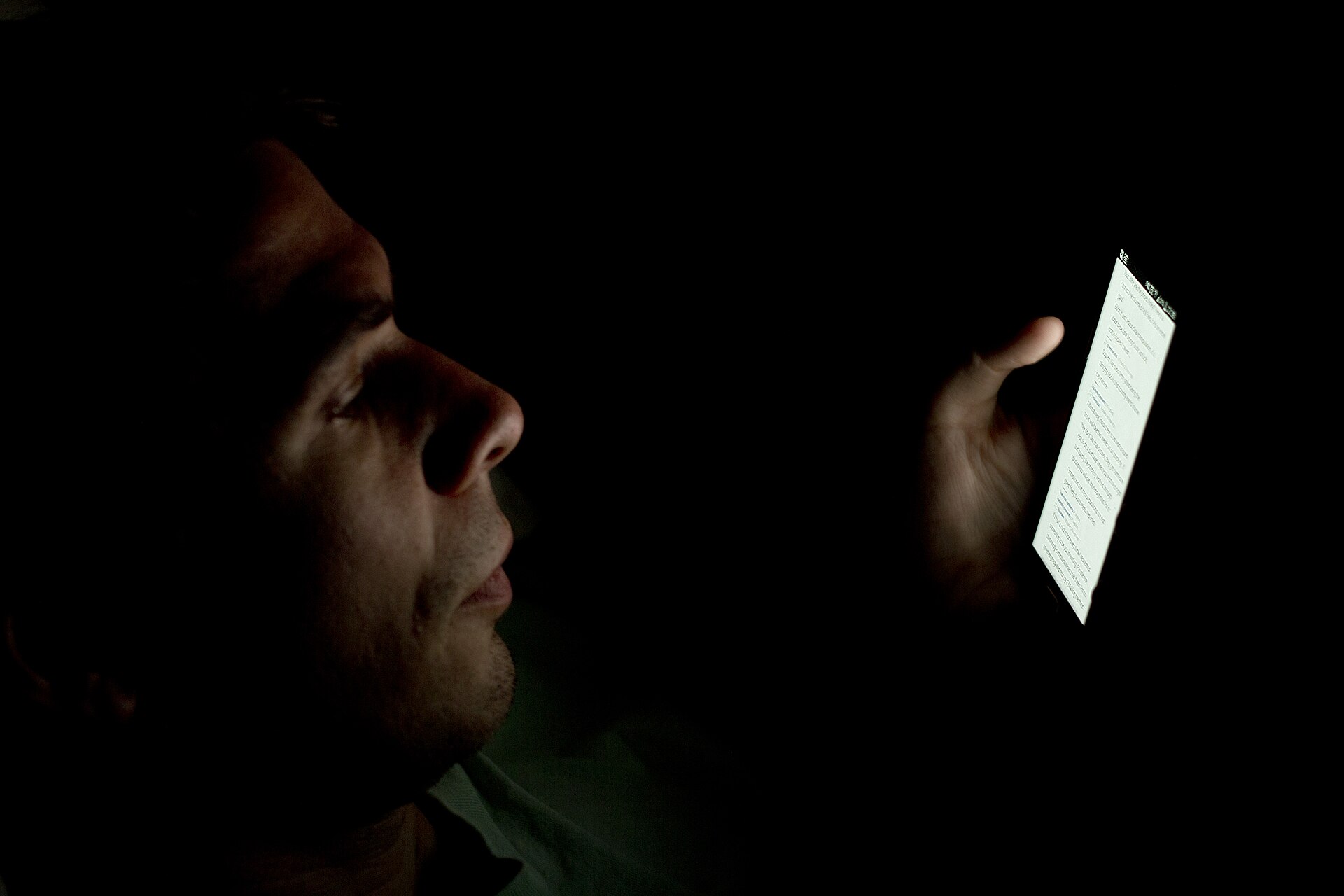
Try a mini sleep experiment for one week. Pick a consistent wind-down time thirty minutes before bed where you plug your phone in across the room and turn off bright screens. Notice how much easier it is to fall asleep when your brain isn’t being flooded with artificial blue light and late-night notifications, and track how your morning focus changes.
Sources
- Walker, M. (2017). Why We Sleep: Unlocking the Power of Sleep and Dreams. Scribner.
- American Academy of Pediatrics. (2014). School Start Times for Adolescents. Pediatrics, 134(3), 642-649.
- Hirshkowitz, M., et al. (2015). National Sleep Foundation’s sleep time duration recommendations. Sleep Health, 1(1), 40-43.